
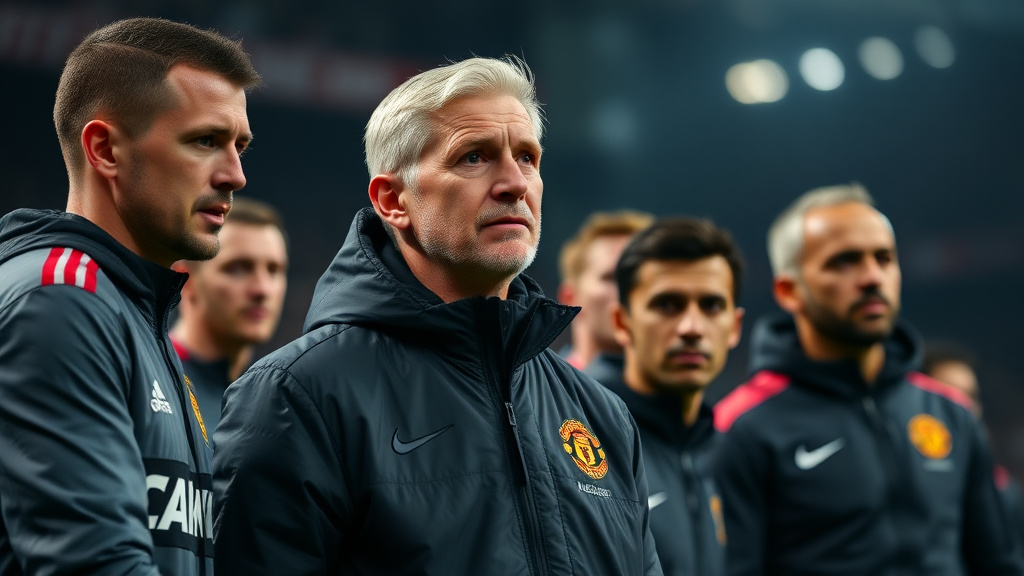
Manchester United stands at a crossroads as the club embarks on a significant overhaul defined by substantial management transitions and critical player restructuring. With updated direction now steering the ship, the Red Devils confront key choices regarding new signings, exits, and playing style. This article examines the strategic restructuring in progress at Old Trafford, assessing how updated coaching staff aims to reshape the squad, address performance inconsistencies, and restore the club to its previous success in an fiercely contested Premier League landscape.
Strategic Squad Overhaul and Transfer Approach
Manchester United’s new managerial regime has launched a comprehensive assessment of the existing roster, pinpointing key areas requiring reinforcement and possible exits. The club recognizes that long-term achievement requires a balanced approach combining experienced veterans with emerging talent. Transfer strategy now prioritizes signing players who align with the coaching staff’s strategic vision while preserving fiscal responsibility. Priority targets include defensive reinforcements, creative midfielders, and versatile attacking options capable of competing at the highest level across various tournaments throughout the season.
The restructuring process extends beyond mere player acquisitions, covering calculated departures of underperforming or surplus assets. Club executives are evaluating contracts, assessing market value, and exploring loan possibilities for reserve-level talent seeking regular playing time elsewhere. This structured method intends to optimize roster structure, lower salary obligations, and open avenues for homegrown talent. By integrating youth advancement with strategic recruitment, Manchester United aims to develop enduring competitive strength while maintaining financial responsibility and sustained institutional stability.
Financial Framework and Fund Allocation
Transfer budget considerations remain paramount as Manchester United operates within the multifaceted environment of modern football finance. The club must reconcile expansive signing targets with responsible budget control, ensuring investments produce tangible competitive results. Key alliances with sponsors and improved commercial revenues provide supplementary financial resources. Management focuses on cost-effective player purchases, targeting undervalued players with considerable growth prospects. This disciplined approach safeguards the club’s financial health while supporting team building efforts essential for competing against opponents in the domestic league and in continental tournaments.
Purchasing decisions progressively rely on analytical insights, utilizing sophisticated data tools and scouting networks to identify ideal candidates. The club’s talent acquisition team employs sophisticated metrics assessing player performance, injury history, age profile, and organizational alignment within the organization. Budget allocation focuses on positions of greatest need while maintaining roster strength throughout the organization. This comprehensive framework guarantees Manchester United maximizes available funds, reduces transfer risk, and constructs a strong roster capable of sustaining success over multiple seasons while maintaining long-term financial health.
Managerial Vision and Strategic Approach
The fresh managerial leadership brings a updated vision to Manchester United’s strategic direction, emphasizing flexible tactics and current football methodologies. This leadership transition constitutes an platform to introduce a cohesive playing philosophy that emphasizes aggressive pressing, possession management, and quick attacking plays. The manager’s strategic plan substantially alters squad composition priorities, focusing recruitment efforts on athletes matching particular tactical needs rather than relying on high-profile individual talent.
Defensive Strengthening and Defensive Line Stability
Manchester United’s defensive weaknesses have become increasingly apparent, requiring urgent strengthening at central and wide defensive positions. The new management acknowledges that a robust defensive structure is vital for continued achievement, spurring focused recruitment of defenders combining physical presence and technical capability. Key acquisitions will tackle squad age issues while adding players equipped to deliver the manager’s high-pressing and possession-oriented defensive approach effectively.
Backline stability goes further than bringing in new players; it involves optimizing established defensive assets through tactical guidance and positional improvement. The coaching staff will establish organized defensive exercises, emphasizing communication, spatial awareness, and dead-ball organization. This comprehensive approach to defensive improvement aims to transform vulnerable areas into competitive advantages, lowering goals against and building confidence within the group.
Offensive Capability and Midfield Dynamics
Goal-scoring power is fundamental to Manchester United’s title aspirations, with the manager emphasizing attacking midfielders and creative playmakers capable of producing regular goal-scoring opportunities. The playing approach highlights quick transitions, wide-area opportunities, and organized offensive plays that utilize the squad’s attacking resources. Planned purchases will focus on players whose ball-playing ability and football intelligence complement the manager’s attacking philosophy.
Central play patterns form the crucial engine driving Manchester United’s offensive movements and defensive solidity simultaneously. The manager seeks flexible midfield players able to perform both defensive duties and creative contributions within a flexible tactical system. Improved midfield unity through improved communication, positional awareness, and tactical awareness will facilitate smoother attacking sequences while preserving defensive compactness during opposition possession phases.
Financial Impact and Long-term Club Stability
Resource Allocation and Reallocation Approach
Manchester United’s restructuring initiative necessitates significant capital expenditure, calling for careful budget allocation across player acquisitions and structural enhancement. The club must reconcile short-term performance requirements with future financial stability, confirming spending matches revenue generation and sponsorship commitments. The leadership team must prioritize calculated player purchases that address tactical gaps while upholding budgetary prudence. This balanced approach protects the club’s fiscal wellbeing while providing adequate resources for player contingent development and competitive enhancement in the demanding Premier League environment.
Revenue Generation and Business Effects
The club’s business results directly influences restructuring capabilities, with sponsorship deals and retail revenue supporting player acquisitions. Improved player recruitment can boost playing performance, strengthening fan engagement and commercial partnerships. Conversely, continued underperformance risks diminishing income sources and stakeholder trust. Manchester United’s global brand remains important, yet consistent competitive performance is crucial for maximizing business prospects. Management must show long-term planning to investors, assuring them that present spending will generate competitive returns and fiscal security.
Long-range Environmental Planning
Successful squad restructuring transcends immediate transfers, necessitating thorough forward-looking planning that tackles academy development, squad agreement optimization, and wage structure rationalization. Manchester United must establish lasting systems avoiding future fiscal disparities while preserving competitive ambitions. Focus on youth development minimizes future transfer costs while building cultural continuity. Strategic contract discussions and roster strength optimization guarantee financial prudence without sacrificing competitive standards, setting the club for long-term achievement and budgetary security throughout the decade.
